The Pinner Qing Dynasty, also known as the Manchu dynasty, ruled China from 1644 to 1912 and is known for its exceptional art and craftsmanship. The dynasty was a period of great prosperity and cultural flourishing, creating unique and valuable collectibles that are sought after by collectors worldwide.
The dynasty’s art and craftsmanship are especially renowned for their elegance and intricacy. It is not only sought-after for their beauty but also their historical significance. Every piece of collectible has its unique story to tell about the dynasty and period it represents.
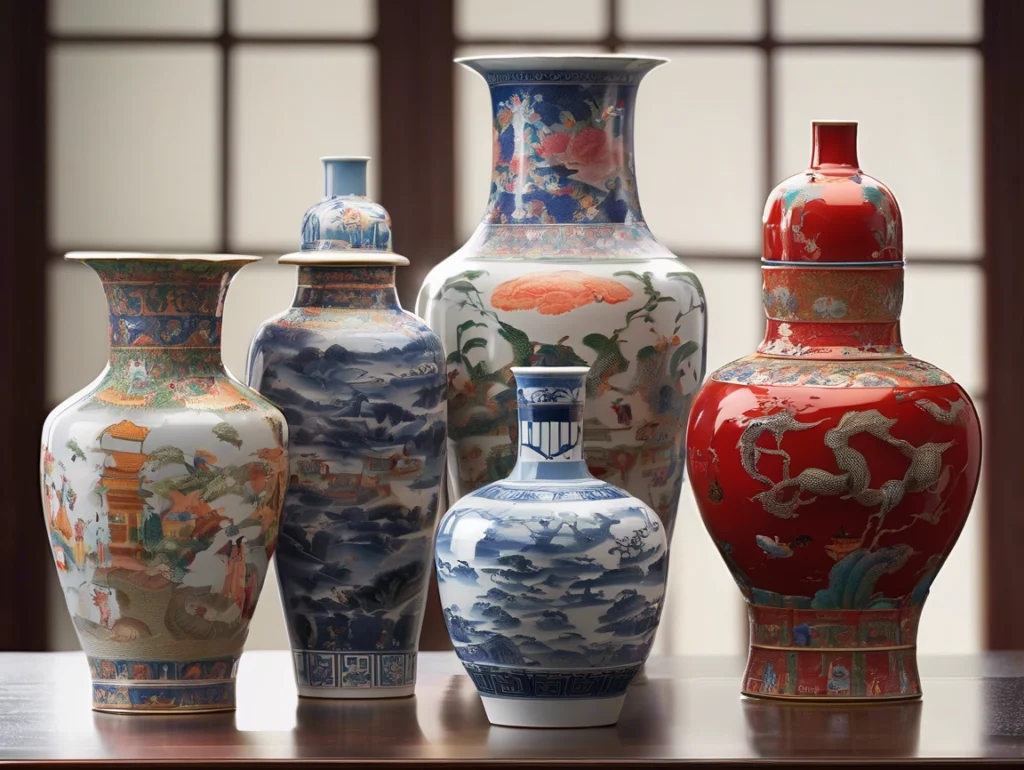
Some of the valuable collectibles from the Pinner Qing Dynasty are porcelain, jadeite, wood carvings, and enamels. The porcelain from the era is widely regarded as one of the greatest achievements of the art world. Many of their porcelain pieces were delicately painted with intricate designs and featuring striking colors, with some even encrusted with valuable gems or other precious materials.
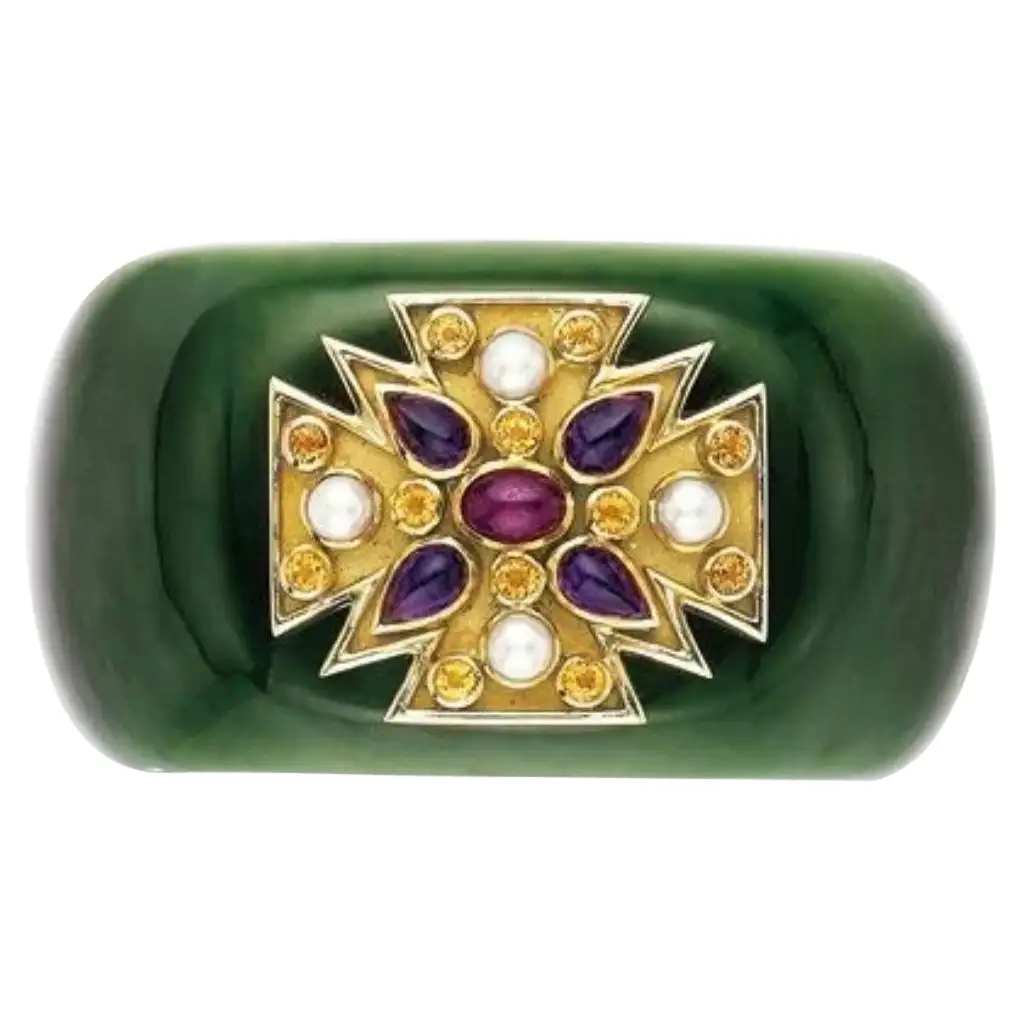
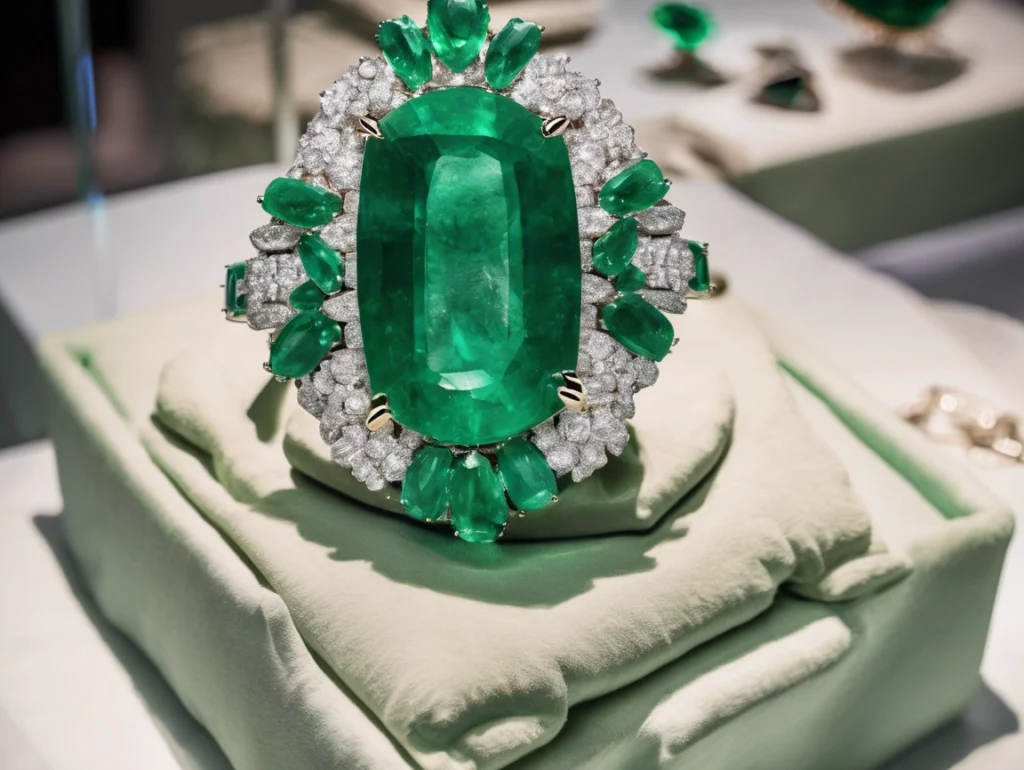
Jadeite was also popular during the Pinner Qing Dynasty and considered a symbol of Chinese culture. It was often used to create jewelry, small statues, or carvings. Many of these creations were intricately designed, with significant attention to detail making them highly sought-after pieces.
Woodcarvings produced during the Pinner Qing Dynasty were also highly valued. These works of art were exceptionally detailed, often depicting religious figures, animals, or nature. The carvings were typically made from rosewood, ebony, or boxwood, and sometimes even featured intricate metalwork or inlay.
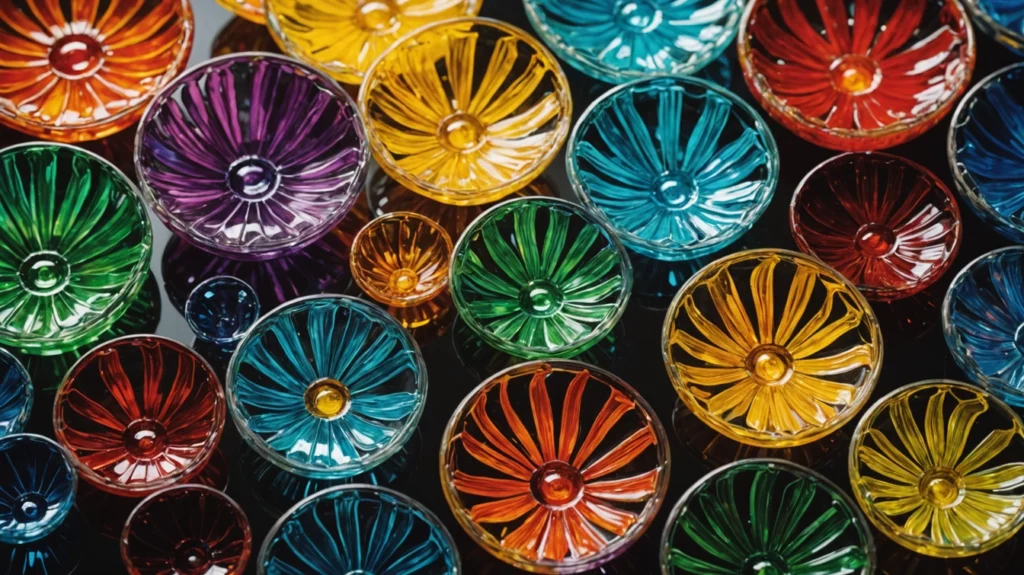
Finally, enamel was another popular material during the era, and it was used to create various decorative items such as vases, plaques, and even snuff bottles. They often featured intricate designs with colors that remained vibrant for hundreds of years.
Overall, the Pinner Qing Dynasty is considered one of China’s most important historical periods for art and craftsmanship. Collectibles from this period remain highly sought-after and are considered an excellent investment due to their beauty, historical significance, and rarity.