Auctions have long been a popular method for buying and selling goods, offering a unique platform for sellers to reach a broad audience and for buyers to find rare or valuable items. One of the critical components of this process is auction consignments. In this blog, we’ll explore what auction consignments are, how they work, and tips for sellers looking to maximize their success in the auction world.
What is Auction Consignment?
Auction consignment refers to the process where an individual or business (the consignor) entrusts their items to an auction house or auctioneer to sell on their behalf. The auction house takes care of the marketing, display, and sale of the items, while the consignor retains ownership until the items are sold. Once the auction concludes, the consignor receives a percentage of the sale price, with the auction house keeping a commission for their services.
How Auction Consignments Work
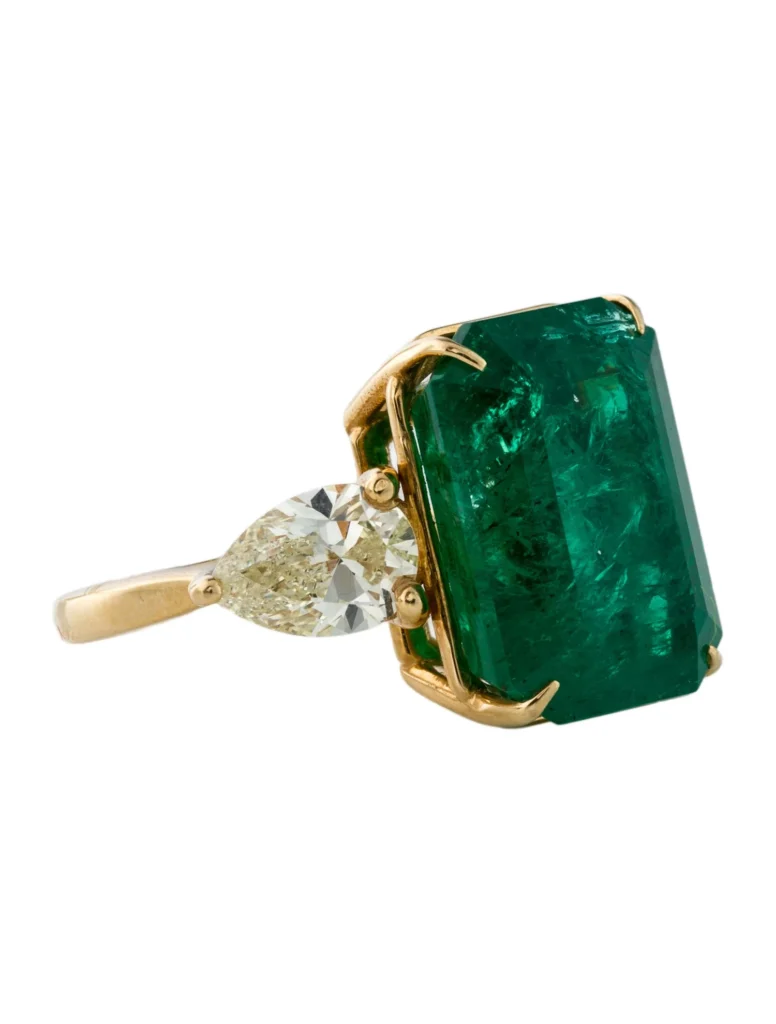
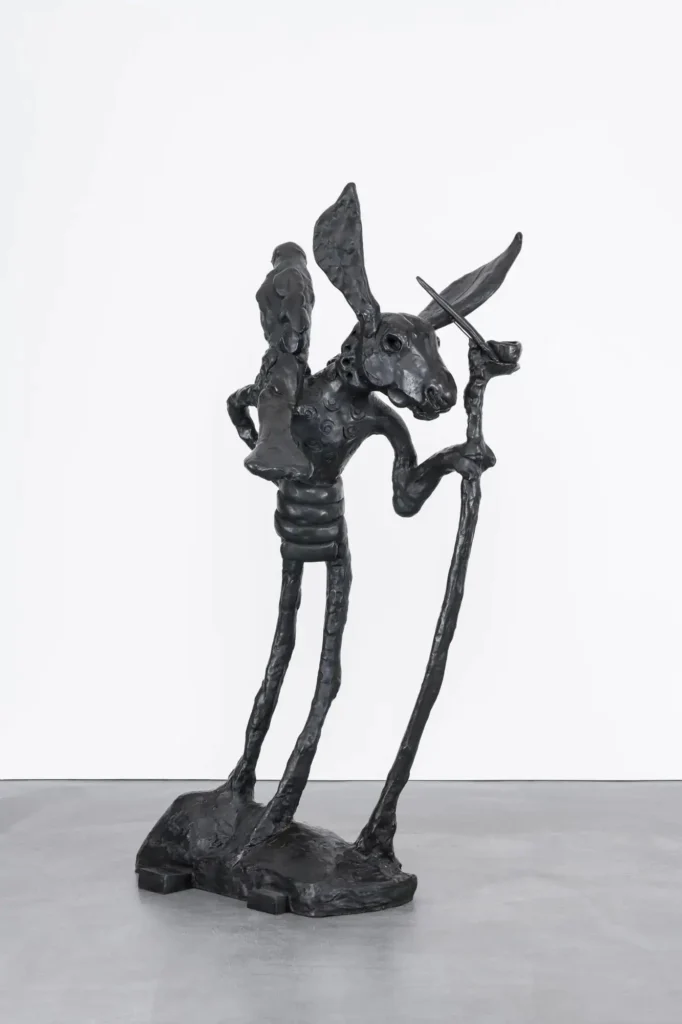
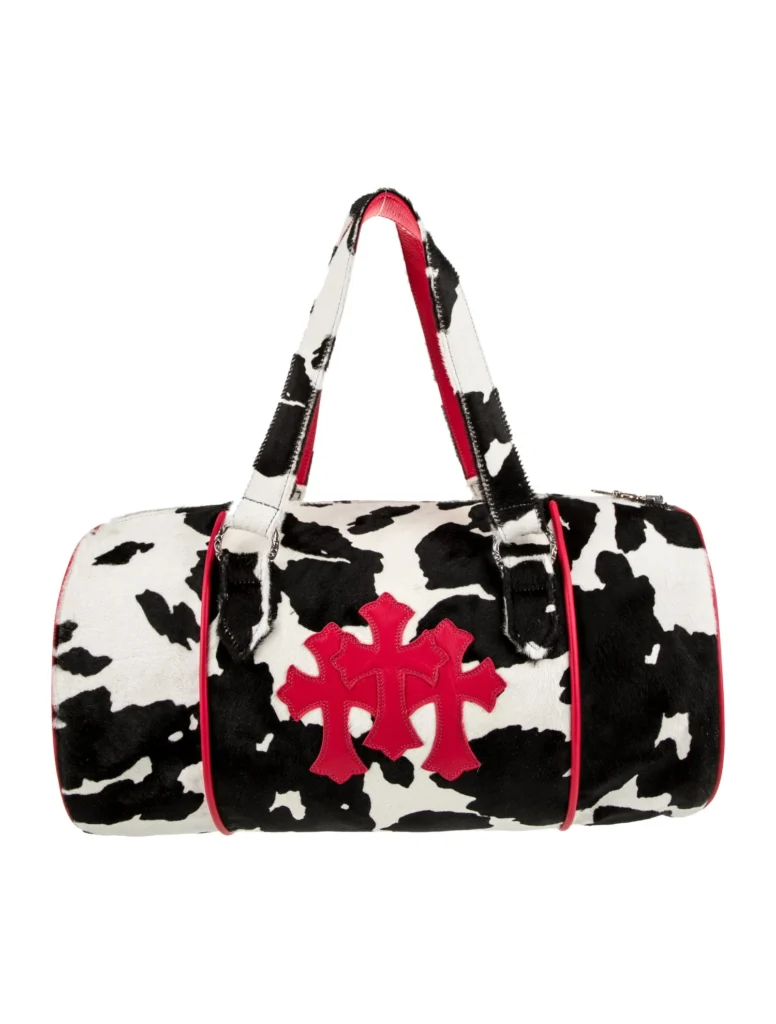
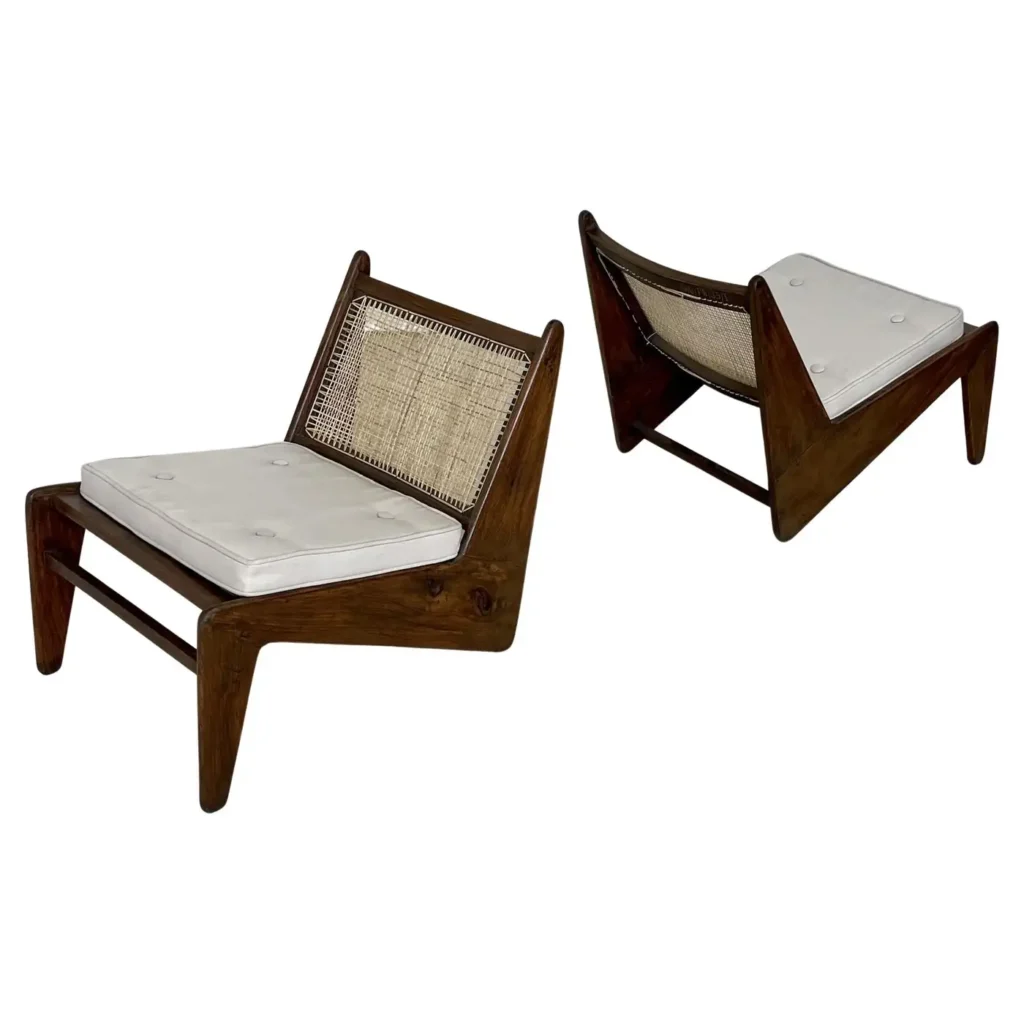
1. Item Selection: The first step in the consignment process is selecting the items you wish to sell. This could range from antiques, art, collectibles, jewelry, or even automobiles. It’s essential to choose items that have intrinsic value or demand in the auction market.
2. Contract Agreement: Once you decide to consign your items, you’ll enter into a contract with the auction house. This contract will outline the terms of the consignment, including the commission rates, reserve prices (the minimum price you’re willing to accept), and the timeline for the auction.
3. Appraisal and Pricing: The auction house will typically provide an appraisal of your items to determine their market value. This appraisal helps set the starting bid and reserve price, ensuring that both the seller and the auction house are aligned on expectations.
4. Marketing and Promotion: The auction house will promote your items through various channels, including their website, social media, and auction catalogs. Effective marketing is crucial for attracting potential buyers and generating interest in your items.
5. Auction Day: On the day of the auction, your items will be sold to the highest bidder. The auctioneer will manage the bidding process, and you’ll have the opportunity to see how much interest your items generate.
6. Post-Auction Settlement: After the auction concludes, the auction house will provide you with a settlement statement detailing the final sale prices, any applicable fees, and your payout. You’ll receive your earnings, minus the auction house’s commission, typically within a few weeks.
Tips for Successful Auction Consignments
– Research Auction Houses: Not all auction houses are created equal. Research their reputation, past sales records, and fees. Choose one that aligns with the type of items you’re selling and has a strong track record.
– Prepare Your Items: Ensure your items are in the best possible condition. Clean, repair, or restore items as necessary. Presentation matters, and well-maintained items are more likely to attract higher bids.
– Set Realistic Expectations: Understand the market for your items and set realistic expectations regarding their value. Be open to the possibility that items may sell for less than anticipated.
– Communicate with the Auction House: Maintain clear communication with the auction house throughout the process. Ask questions, seek advice on pricing, and stay informed about marketing efforts.
– Be Patient: The auction process can take time, from the consignment agreement to the auction itself. Patience is crucial, as it may take time for the right buyers to emerge.
Conclusion
Auction consignments can be a lucrative way to sell items, whether you are an individual looking to declutter or a business seeking to liquidate inventory. By understanding the process and following best practices, you can navigate the auction landscape effectively and maximize your returns. Remember, the key to successful auction consignments lies in choosing the right auction house, preparing your items, and setting realistic expectations. Happy selling!