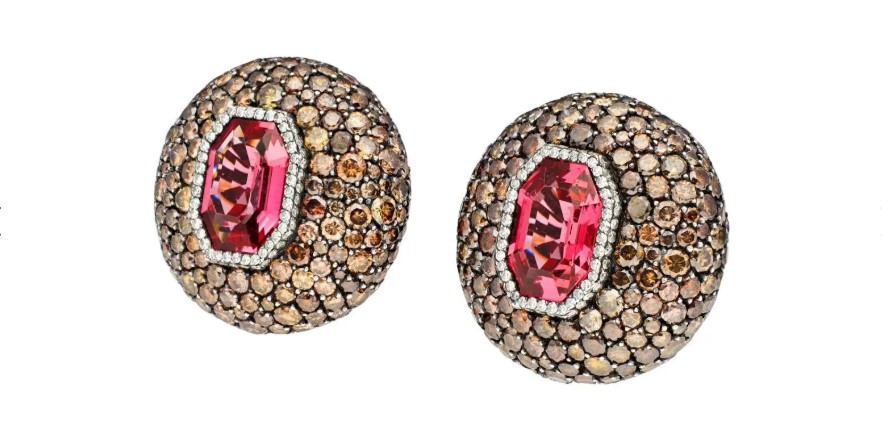
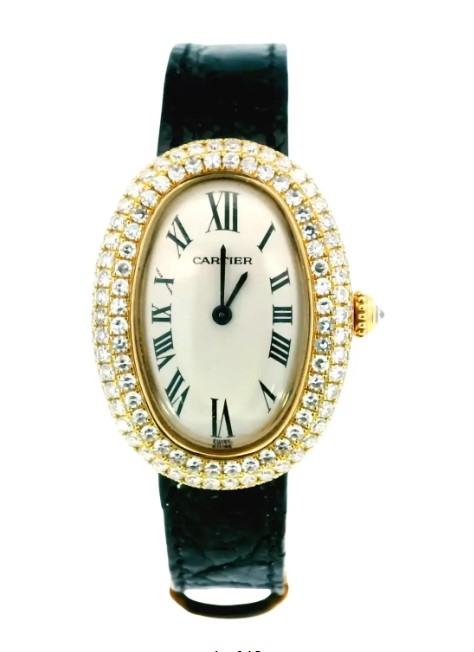
The Modernist period, spanning the late 19th to mid-20th centuries, was a time of profound transformation in the world of jewelry design. This era witnessed a departure from traditional craftsmanship and ornate styles, giving rise to a new aesthetic that celebrated simplicity, abstraction, and innovative materials.
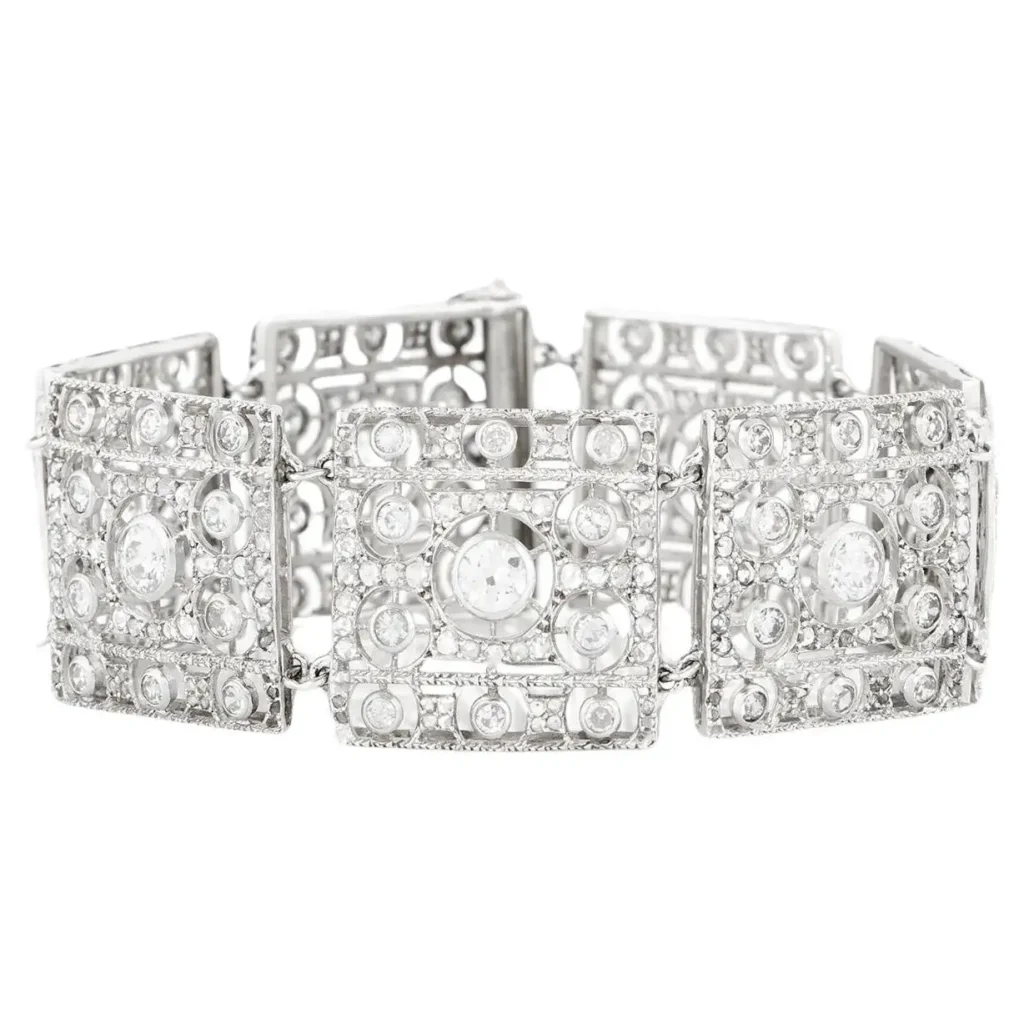
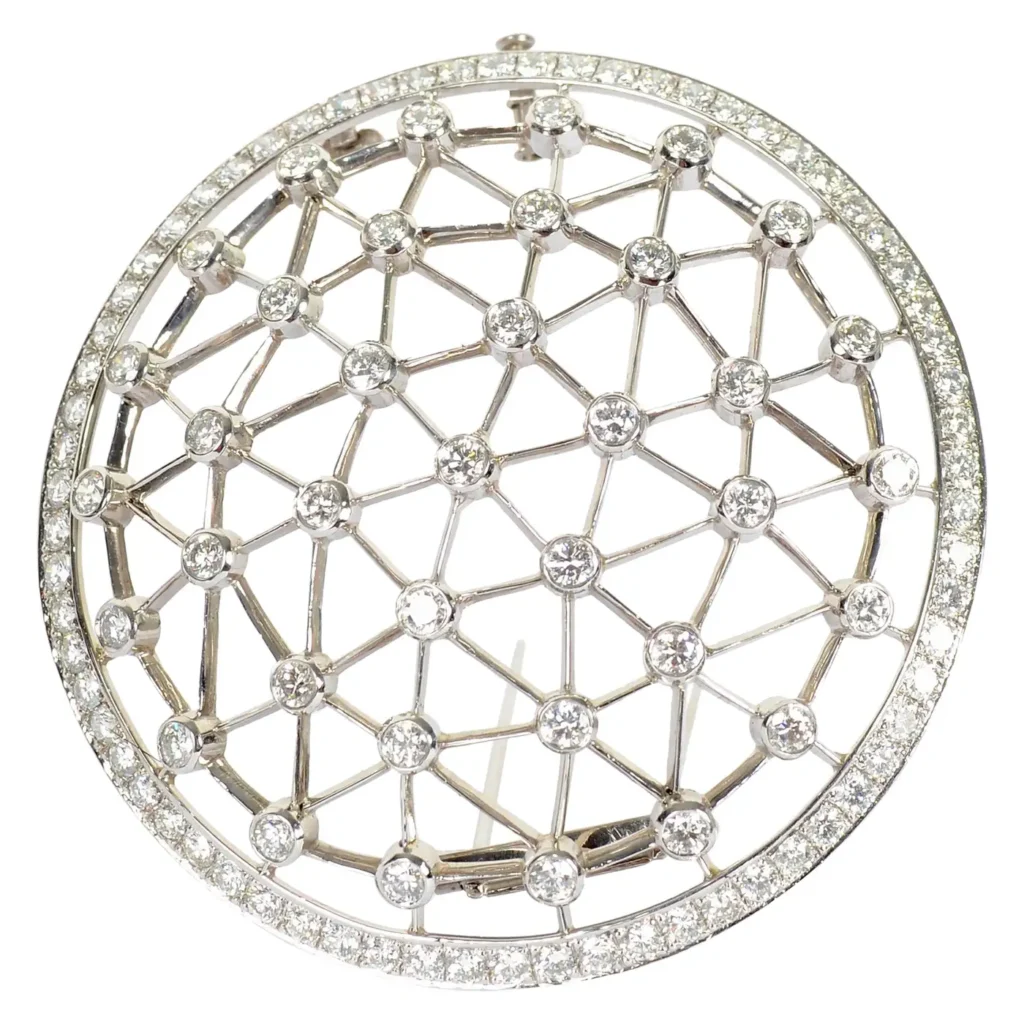
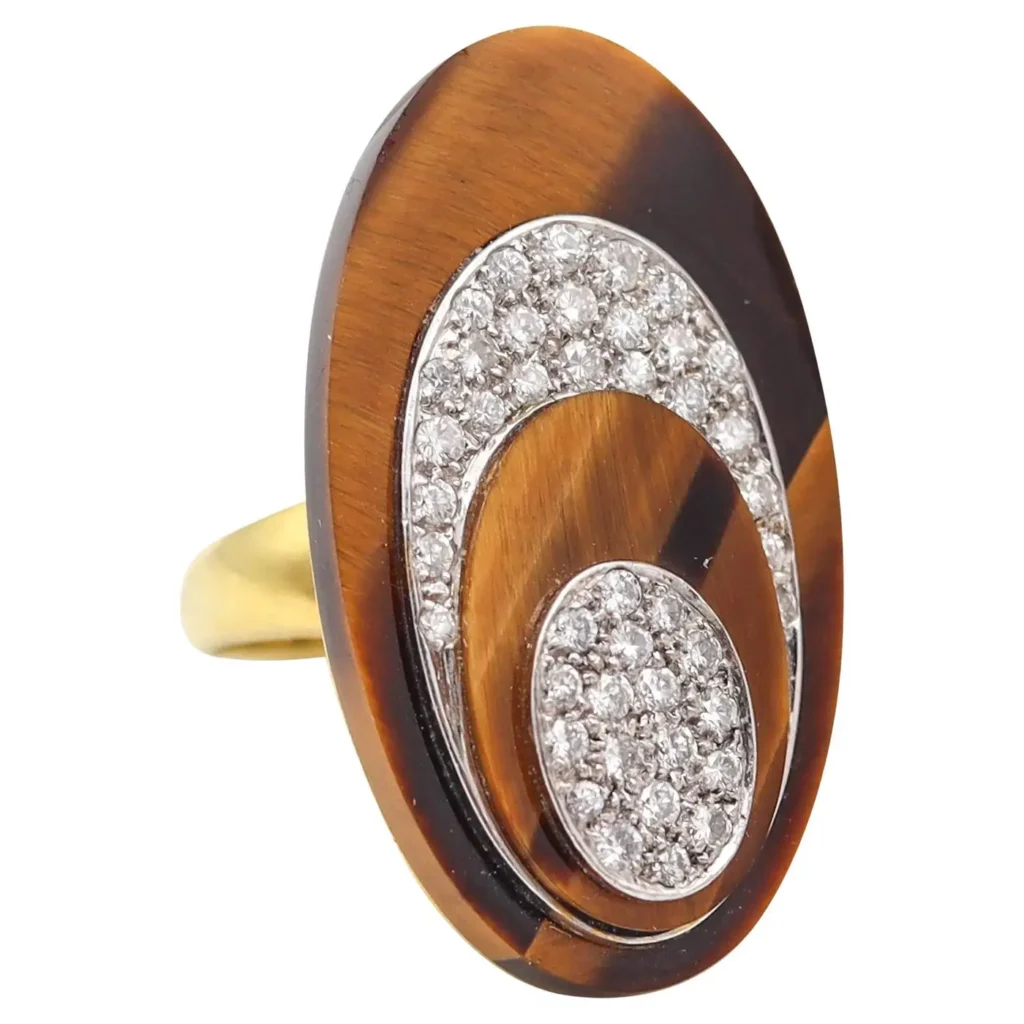
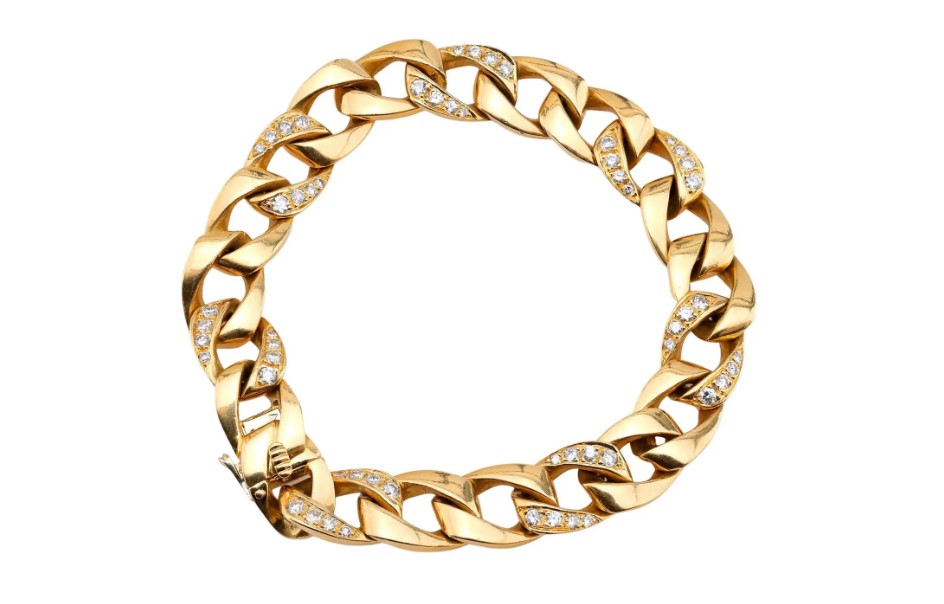
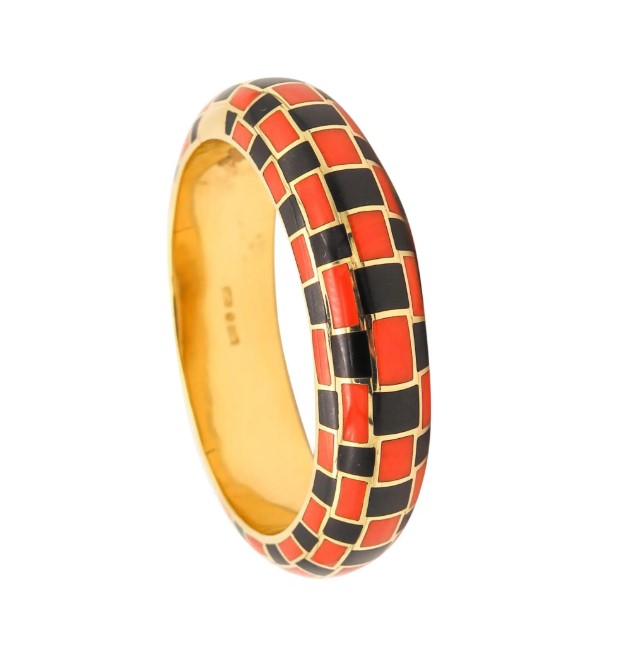
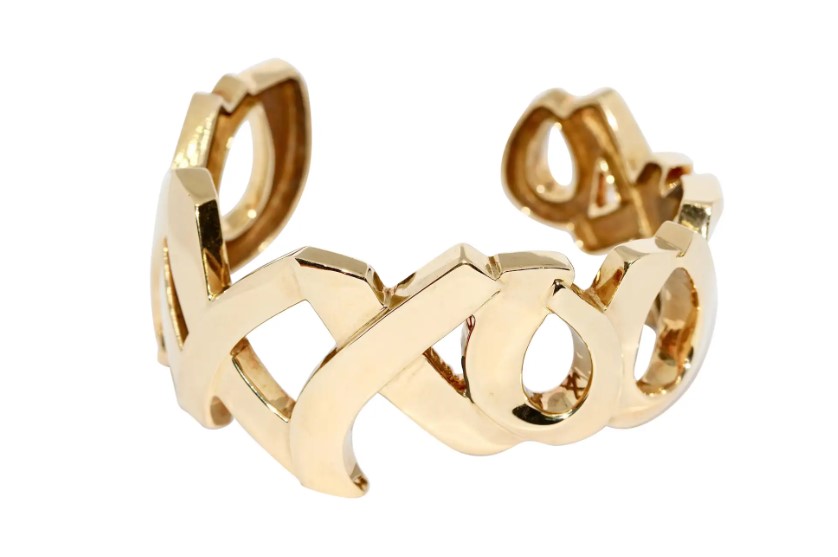
Modernist jewelry was characterized by clean lines, geometric shapes, and a focus on the intrinsic beauty of the materials used. Designers sought to distill the essence of their creations, stripping away unnecessary embellishments to create pieces that were both visually striking and conceptually profound. This minimalist approach was a reflection of the broader Modernist movement, which sought to break free from the constraints of the past and embrace a new, forward-looking vision.
One of the most influential figures in Modernist jewelry design was the French artist and jeweler, Jean Schlumberger. His work, which often incorporated bold colors, unexpected materials, and a playful sense of whimsy, epitomized the Modernist aesthetic. Schlumberger’s pieces, such as his iconic “Bird on a Rock” brooch, combined abstract forms with a deep appreciation for the natural world, creating jewelry that was both intellectually stimulating and visually captivating.
Another key figure in the Modernist jewelry movement was the American designer, Elsa Schiaparelli. Schiaparelli’s work was characterized by a surrealist sensibility, with pieces that often incorporated unexpected elements, such as buttons, zippers, and even everyday objects. Her “Lobster Dress,” for example, featured a giant lobster brooch that became an instant icon of the Modernist era.
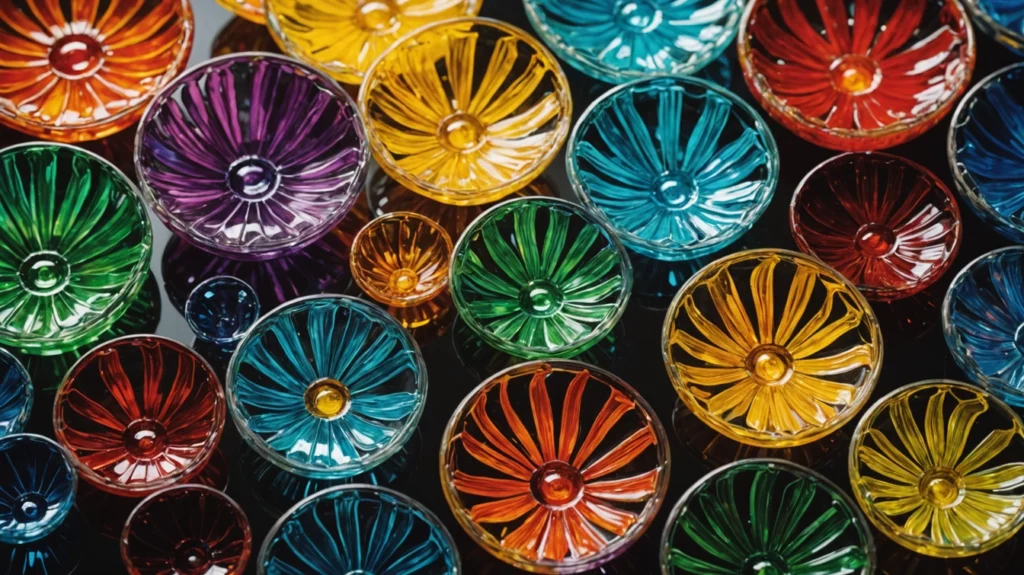
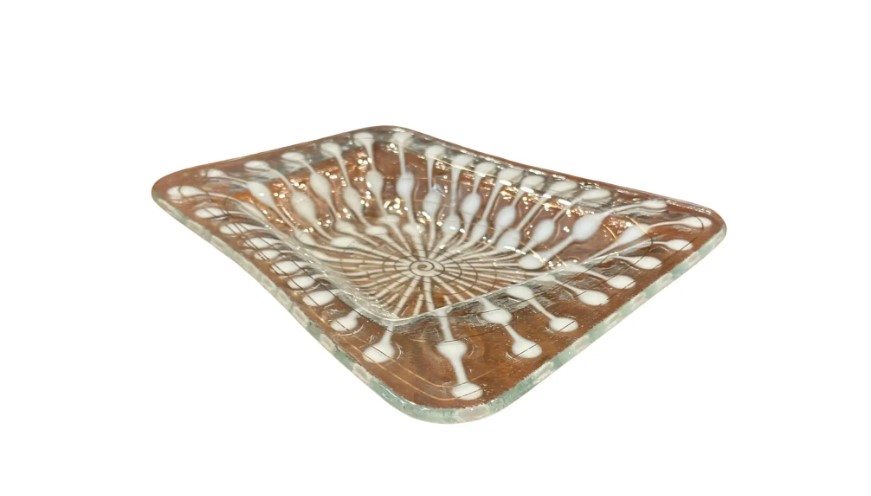
The Modernist period also saw the emergence of new materials and techniques that revolutionized the world of jewelry design. The use of synthetic gemstones, such as plastic and resin, allowed designers to experiment with bold colors and unconventional shapes, while the introduction of new manufacturing processes, such as electroforming, enabled the creation of intricate, lightweight designs that were previously impossible to produce.
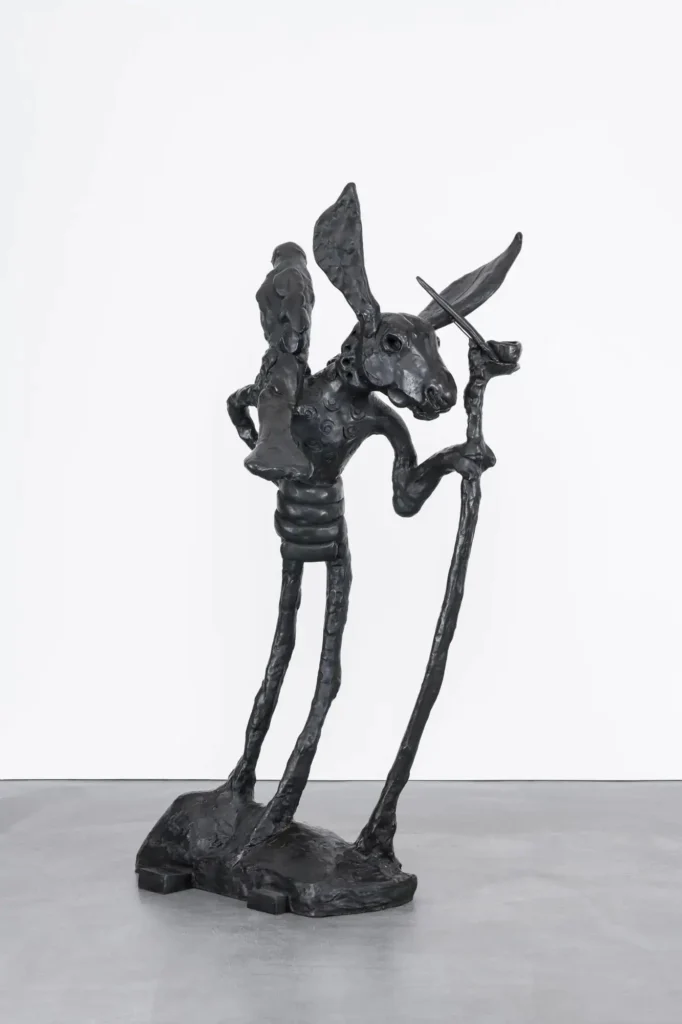
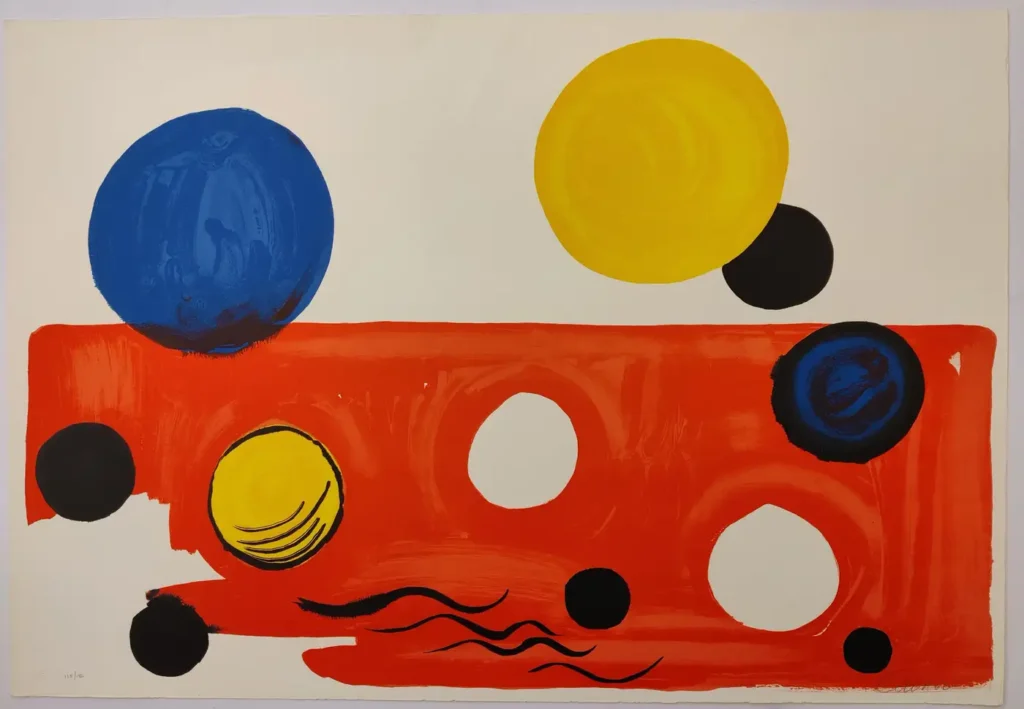
One of the most significant developments in Modernist jewelry was the rise of the “art jewelry” movement, which sought to elevate jewelry design to the status of fine art. This movement was championed by artists such as Alexander Calder, who created sculptural pieces that blurred the line between jewelry and art, and the American jeweler, Margaret De Patta, whose work combined abstract forms with a deep appreciation for the natural world.
The Modernist period was a time of profound innovation and experimentation in the world of jewelry design. From the clean lines and geometric shapes of Schlumberger’s work to the surrealist sensibility of Schiaparelli, this era produced some of the most iconic and influential pieces in the history of the craft. Today, the legacy of Modernist jewelry continues to inspire and captivate designers and collectors alike, a testament to the enduring power of this groundbreaking movement.