We work with the SBA when business liquidations are needed.
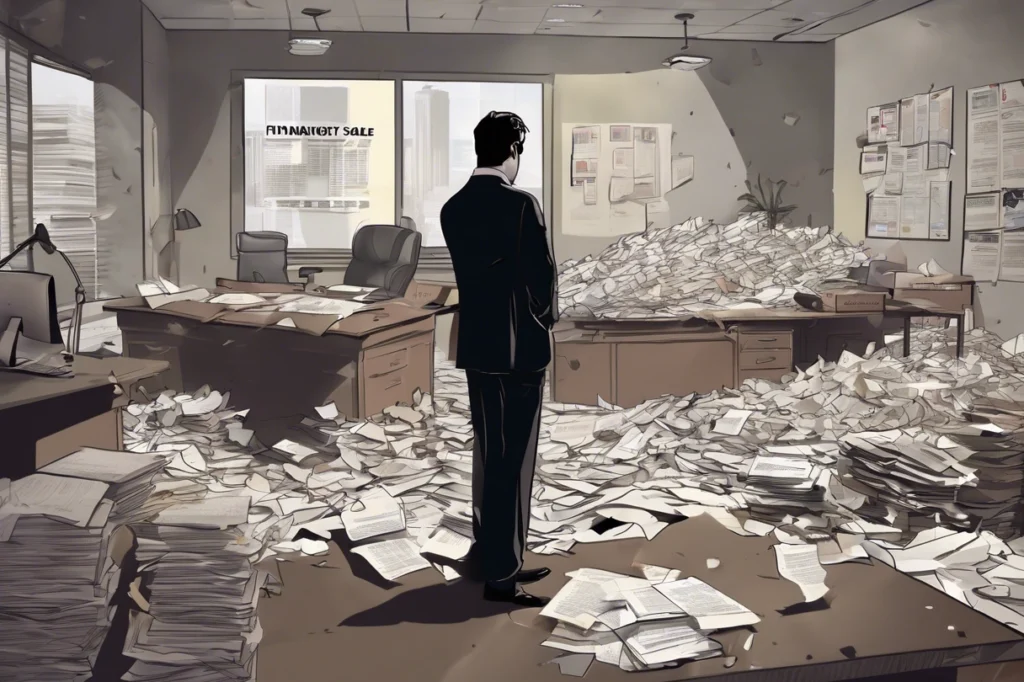
We all know that the Small Business Administration (SBA) plays an important role in supporting small businesses across the USA but when a borrower defaults on an SBA-backed loan, the agency may be forced to initiate a liquidation to recover the outstanding debt.
When a small business defaults on an SBA loan, the agency will typically work with the lender to explore all possible options for repayment or restructuring the loan. However if these efforts are unsuccessful, the SBA will contact a liquidation firm like us to initiate the liquidation process. The liquidation process involves selling the business’s assets at auction or onsite, and using the proceeds to pay off the loan.
Our liquidation process.
The liquidation process can be complex and time-consuming, but working with an experienced liquidation company like Kings Auctions will make the process much smoother. We understand that the SBA must ensure that the assets are sold for a fair price which is why we are often selected for this important task.
In some cases, the SBA may be able to work with the borrower to find a solution that allows the business to continue operating, such as a loan repayment plan, however these efforts are usually unsuccessful. The liquidation process may be the only option.
Our liquidations are always transparent and professional.
We’ve been producing both personal and business liquidations for 35+ years. We’ve liquidated all types of businesses including box big stores, machine shops, bars and breweries, interior design firms, and even art galleries and museums. We work from California to New York to Florida and everywhere in between which is why the SBA considers us a trusted source.
We take of everything from start to finish including valuations, market research, and most importantly proper marketing to insure the right, qualified buyers are brought to the table. Often, we will find buyers who will buy everything which is often a lucrative and efficient option for all.
Come out stronger on the other side.
We know the goal of liquidating a business when the SBA loan goes into default is to minimize the impact on all parties involved and to maximize the value of the company’s assets. With careful planning and execution, it’s possible for the borrower to navigate this challenging situation and emerge from the experience stronger on the other side.